Energy-Efficient Roofing and Siding: Installation Costs and Long-Term Savings
Energy-Efficient Roofing and Siding: Installation Costs and Long-Term Savings come to the forefront in this informative piece, drawing readers in with a wealth of knowledge presented in a captivating manner.
The following paragraphs delve into the intricacies of the topic, shedding light on key concepts and practical applications.
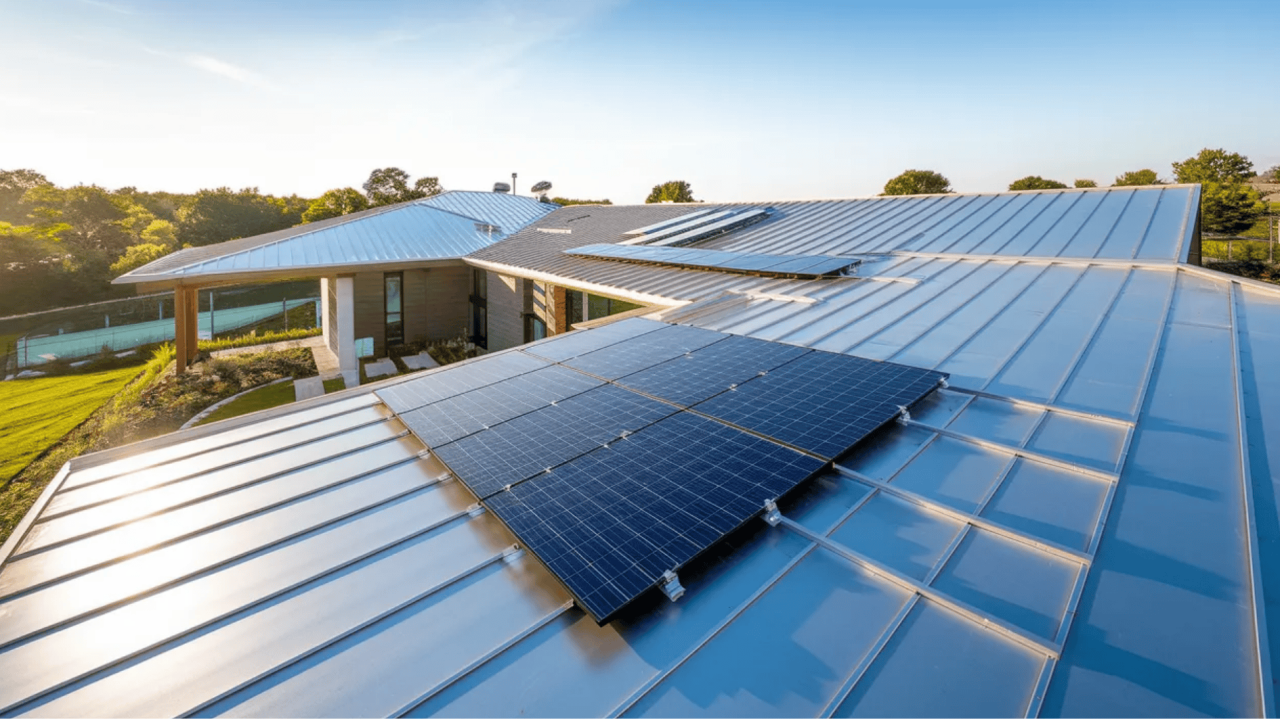
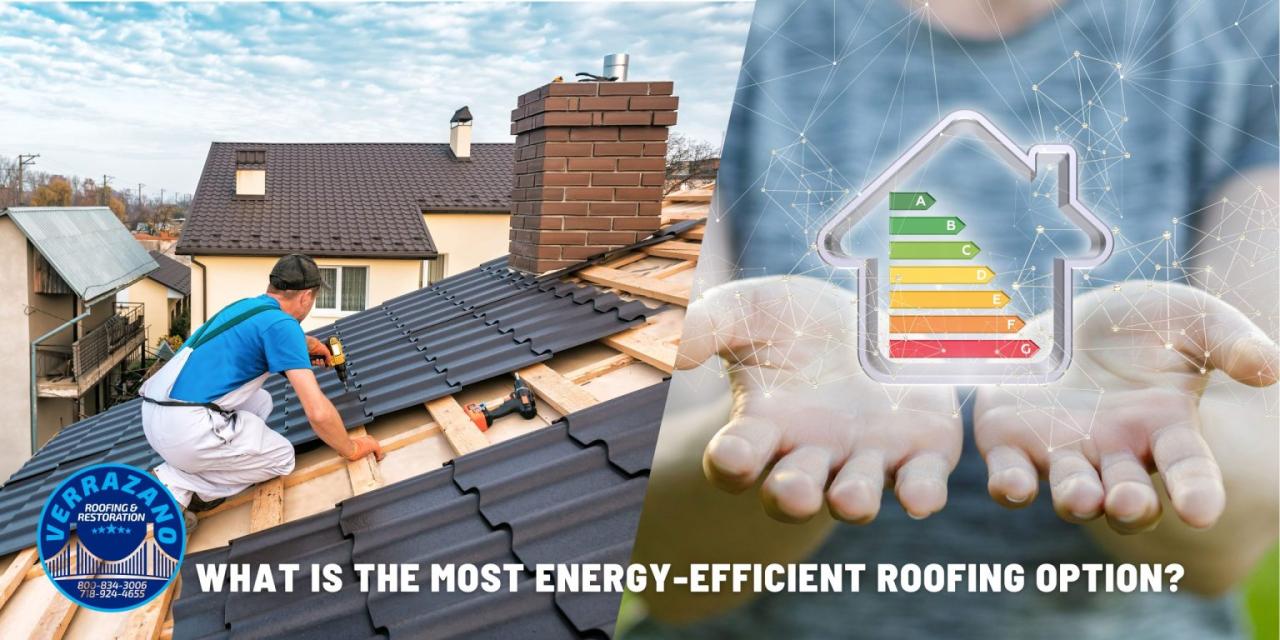
Energy-efficient roofing refers to the use of materials and design techniques that help reduce energy consumption in a building by improving insulation and ventilation.
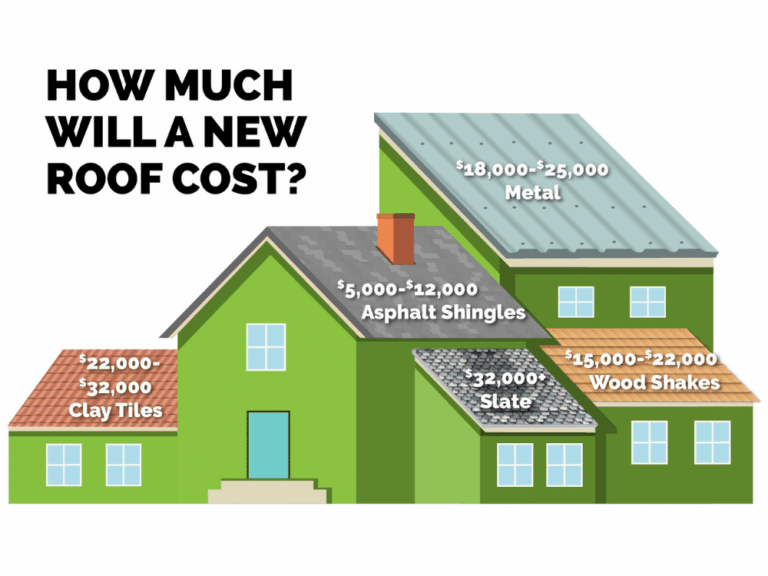
Traditional roofing materials like asphalt shingles and metal roofs have been widely used but lack the sustainability and insulation properties of energy-efficient alternatives.
The installation of energy-efficient roofing involves several steps to ensure proper sealing, insulation, and ventilation for optimal performance.
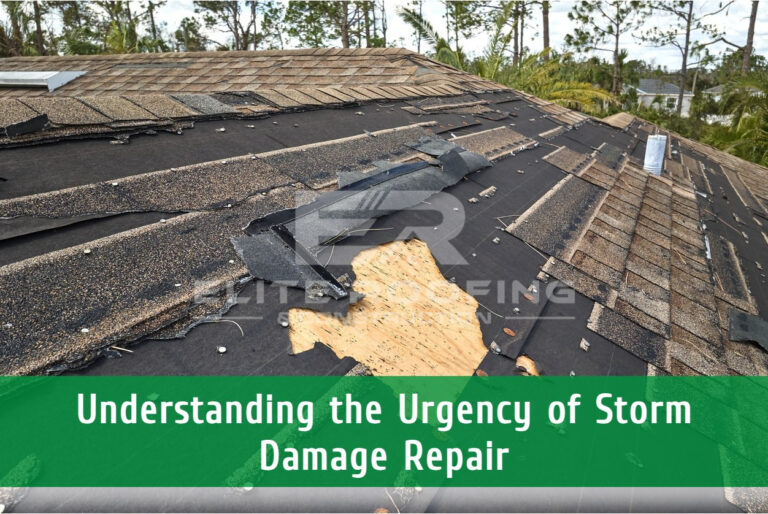
Installing energy-efficient roofing comes with a range of cost-saving benefits that can positively impact both homeowners and the environment. In addition to reducing energy bills, energy-efficient roofing can also enhance the overall energy efficiency of a building, leading to a more comfortable indoor environment and a reduced carbon footprint.
Energy-efficient siding plays a crucial role in enhancing a building’s energy efficiency by providing insulation and reducing heat transfer, ultimately leading to lower energy consumption and costs.
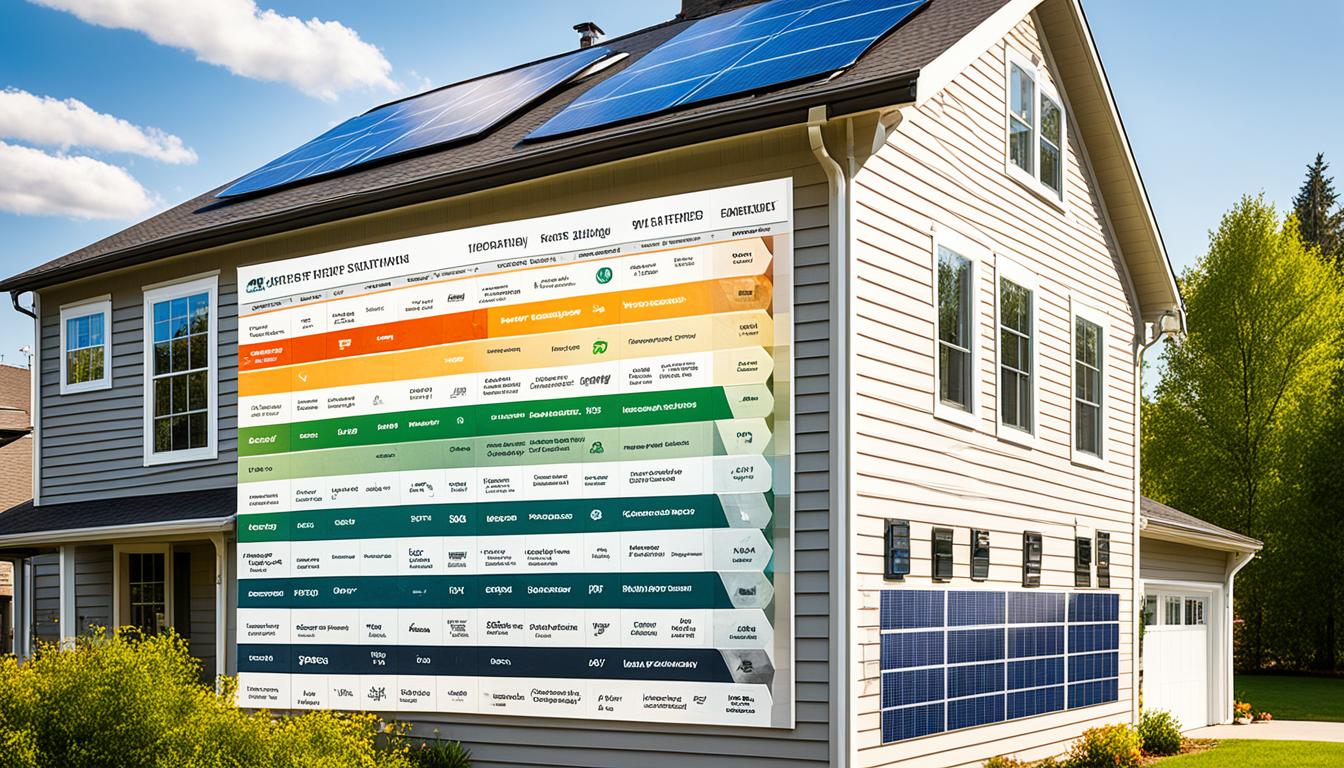
When considering energy-efficient roofing and siding, it is essential to analyze both the upfront installation costs and the potential long-term savings associated with these materials.
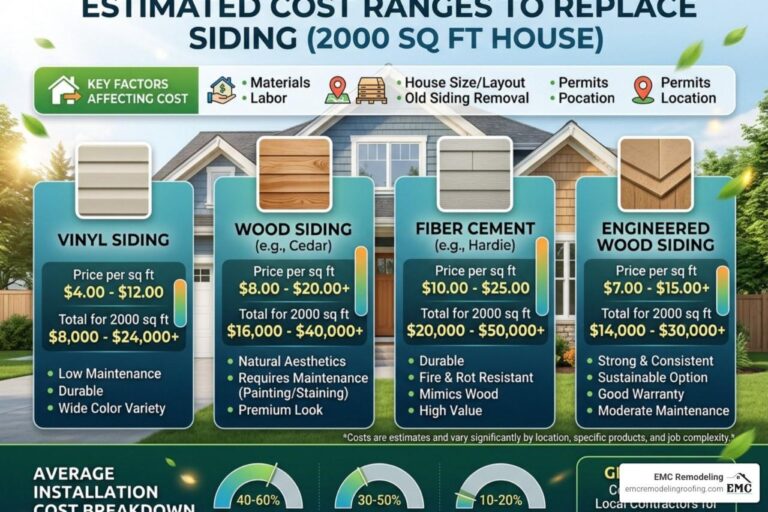
Energy-efficient roofing and siding materials typically come at a higher initial cost compared to traditional options. The advanced technology and quality materials used in energy-efficient products contribute to their higher price tags during installation.
Despite the higher upfront costs of energy-efficient roofing and siding, it is important to consider the long-term benefits and savings they can provide. Traditional materials may be cheaper initially, but they often lack the energy-saving features that can result in higher utility bills over time.
Energy-efficient roofing and siding can lead to significant long-term savings in terms of energy costs. These materials are designed to improve insulation, reduce heat transfer, and enhance overall energy efficiency in buildings. As a result, homeowners can experience lower heating and cooling expenses, ultimately saving money in the long run.
Calculating the return on investment (ROI) and payback periods for energy-efficient roofing and siding installations is crucial for understanding the financial benefits. While the initial upfront costs may be higher, the long-term savings on energy bills can offset these expenses over time, resulting in a positive ROI and shorter payback periods.
What are the energy-saving benefits of energy-efficient roofing and siding?
Energy-efficient roofing and siding help reduce energy consumption by providing better insulation, leading to lower heating and cooling costs.
How do energy-efficient roofing materials impact the environment?
Energy-efficient roofing materials reduce the overall carbon footprint of a building by decreasing energy usage and promoting sustainability.
What is the average payback period for investing in energy-efficient roofing and siding?
The payback period for energy-efficient roofing and siding installations typically ranges from 5 to 10 years, depending on various factors such as energy prices and usage.